From European Fire-Breathers to Wingless Chinese Dragons, the Possibilities are Far More Varied Than You Might Think
Dragons are one of the most iconic types of fantasy creature, but how much do you actually know about them? They appear in myths, legends and stories from cultures around the world, and they can be terrifying monsters, powerful deities, wise guardians or even shapeshifters. If you are writing fantasy, dragons give you an enormous amount of creative freedom.
Myths about dragons have existed for thousands of years. They are usually depicted as scaly creatures and are often said to hatch from eggs. Beyond those familiar details, however, almost everything is up for interpretation. A dragon’s size, shape, behaviour, abilities and personality can vary dramatically depending on the tradition that inspires it.
The Classic European Dragon
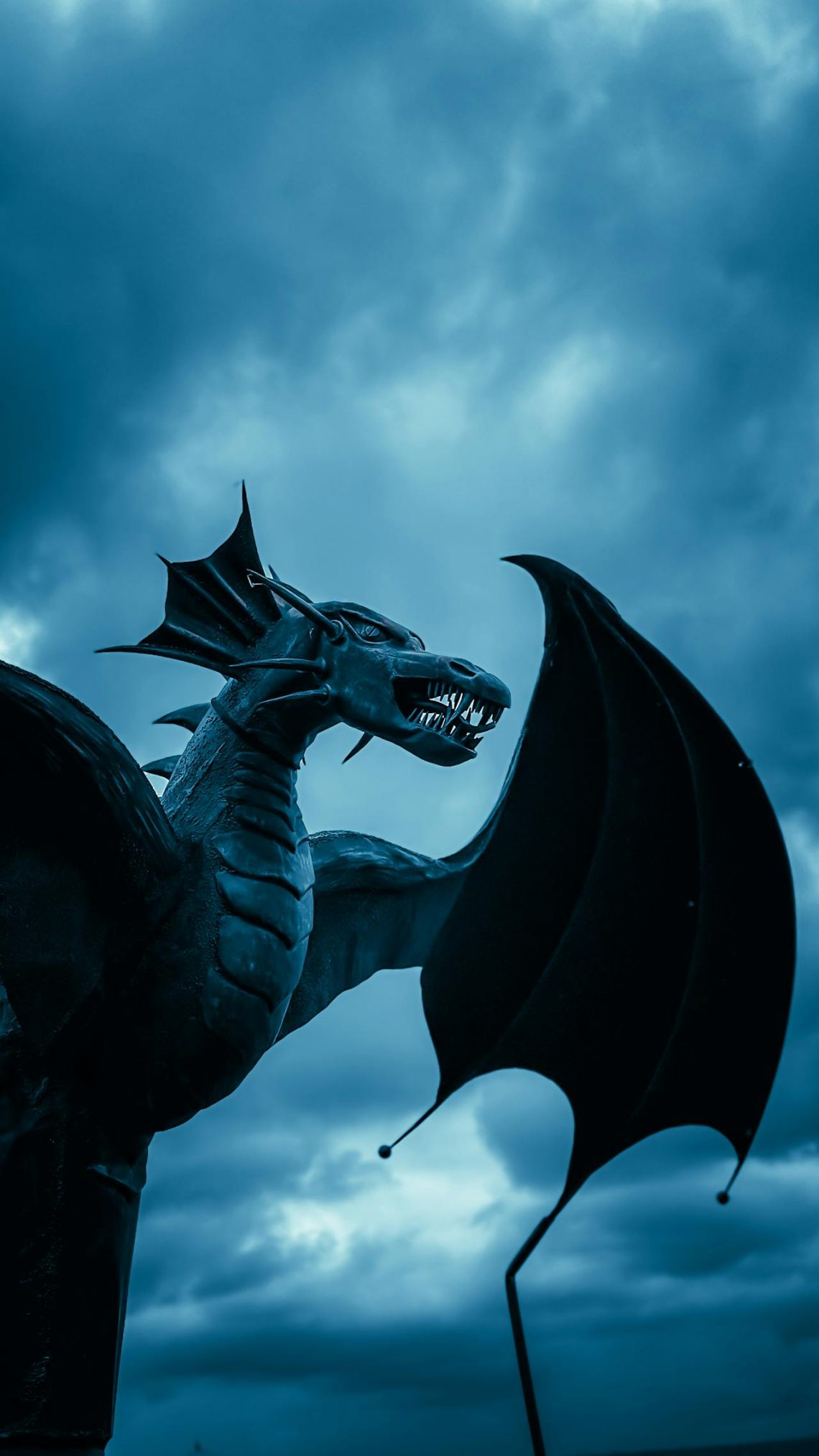
When many readers think of dragons, they imagine the creatures found in European myths and later fantasy stories. These dragons tend to be enormous, deadly creatures with bat-like, leathery wings. They are often associated with danger, treasure and destruction, making them ideal antagonists for a fantasy adventure.
European dragons are commonly described as having four limbs as well as wings. Even within this broad tradition, though, there are fascinating variations. Wyverns have two legs rather than four, while amphipteres have no legs at all. These differences may seem small, but they can completely change how a creature moves, hunts and interacts with its surroundings.
When designing your own dragon, think about the practical details. Does it walk, crawl, slither or fly? How does it take off? Can it land safely in a crowded town or does it need a wide stretch of open ground? Does its body shape make it graceful in the air, or is it a clumsy but overwhelmingly powerful creature? Asking questions like these can make a fantastical animal feel much more convincing.
Dragons From Around the World
One of the most important things to remember when writing about dragons is that there is no single universal appearance. Dragons from different cultures have a varying appearance, and they do not all resemble the winged, fire-breathing creatures of European fantasy.
Kuzuryu are nine-headed dragons from Japanese myths. The Incan Amaru has two heads and is sometimes depicted with the heads of different animals. The Native American dragon Amhuluk has a furry body. These examples show just how imaginative dragon mythology can be. A dragon does not necessarily need wings, scales or even a single head to be recognisable as a dragon.
 Chinese dragons are usually benign and wingless. They include dragon kings who have power over particular bodies of water. This gives them a very different role from the destructive dragon that attacks a village or guards a hoard of treasure. A dragon connected to a river, lake or sea might be treated with respect, feared for its power or approached with offerings rather than challenged with a sword.
These differences are useful inspiration for fantasy writers. Instead of copying the most familiar version of a dragon, consider what the creature means in your fictional culture. Is it a symbol of wisdom, chaos, protection, royalty or natural power? Do people worship it, hunt it, bargain with it or tell stories about it to frighten children?
More Than Monsters
Dragons do not have to be simple villains. Dragon deities include Tiamat, Gonggong and Xiuhtecuhtli, showing that dragons can occupy a much more important place in mythology than that of a dangerous animal. They can be ancient powers, creators, rulers or forces of nature.
Shapeshifters and part-dragon, part-human hybrids also appear in myths. These figures can be especially interesting in fantasy because they blur the boundary between human and monster. A character with dragon ancestry might struggle with their identity, hide their heritage or be treated differently by the people around them. Alternatively, they might regard their unusual nature as a source of pride.
When writing a dragon character, try to look beyond its appearance. What does it want? What does it fear? Is it capable of friendship, loyalty or regret? A dragon with a distinct personality will usually be more memorable than one that exists only to provide a spectacular battle scene.
Making Your Dragon Feel Original
The familiar European dragon can be a brilliant choice, especially if it suits the tone of your story. However, even a traditional dragon can feel fresh if you give it unexpected traits. Perhaps it is small and fast rather than massive and imposing. Perhaps it cannot breathe fire, but can influence storms or control the tides. Perhaps it is ancient and powerful but surprisingly gentle.
You can also build your dragon around its environment. A mountain-dwelling dragon might have adaptations that help it survive cold air and thin oxygen. A water dragon might have smooth skin, webbed feet or a body designed for swimming. A dragon living among humans might have learned to disguise itself, while one that has spent centuries underground may have little experience of the surface world.
It is also worth considering how dragons affect the wider world of your story. If dragons exist, people will have developed opinions, customs and practical responses to them. Some communities might build their homes underground. Others might train dragon hunters, worship dragon deities or protect dragon nesting grounds. The existence of dragons should influence history, politics and everyday life, not just the plot of one adventure.
Start with ‘What if?’
The best way to develop a dragon for your fantasy story is often to begin with a question. What if dragons were the original rulers of the world? What if they could only speak through dreams? What if every body of water had its own dragon king? What if a dragon’s appearance changed according to the culture describing it?
 Once you have your central idea, build outwards. Decide what your dragon looks like, where it lives, how it behaves and what it means to the people who encounter it. The more consistently you develop those details, the more believable your creature will become.
The Writer’s Guide to Mythical Creatures features more than 100 fantasy creatures and includes sections on Chinese Dragons, European Dragons and a general Dragons section. Yes, I love dragons as much as you do! The sections include mythological background information, descriptive details you can use and plot ideas to spark your imagination.